

In a world where we are constantly connected, surrounded by information and accustomed to responding to everything almost immediately, finding the time to genuinely disconnect has become increasingly difficult. Whether through emails, messages, meetings or the steady flow of daily responsibilities, there is always something competing for our attention, and it can sometimes feel as though the working day never truly comes to an end.
Having spent much of my career in an industry that operates around the clock, I understand how easily professional responsibilities can extend into our personal lives. Hospitality is a particularly demanding business because the experiences we create for others continue long after the traditional working day has finished, and there is always another decision to consider, an opportunity to explore or a challenge requiring attention.
Yet I believe there is something equally important about recognizing when to step away from those responsibilities and allow ourselves the freedom to enjoy the other aspects of life that bring us happiness, inspiration and a renewed sense of perspective.
Finding Space Beyond the Everyday
One of the challenges of modern life is that being busy has almost become a measure of achievement. We fill our schedules with commitments, move from one responsibility to another and often regard a quiet moment as an opportunity to accomplish something else, rather than appreciating the value of having time that is entirely our own.
However, there is a difference between being productive and being constantly occupied, and I believe that distinction becomes increasingly important as our lives and responsibilities evolve. Having the opportunity to step away from familiar routines allows us to enjoy experiences without the pressure of an agenda, whether that involves spending time with family and friends, pursuing a personal interest or simply appreciating an environment that offers a change of pace.
For me, the value of these moments is not necessarily found in doing something extraordinary, but in having the freedom to be fully present and enjoy whatever the occasion brings. When our attention is no longer divided between competing responsibilities, even relatively simple experiences can become far more rewarding.
The Importance of Personal Interests
I have always found it interesting how our personal interests can introduce a completely different dimension to everyday life, particularly when they take us into environments that have little connection with our professional responsibilities. Sport, music, travel, art and entertainment all have the ability to capture our attention in ways that allow us to temporarily leave behind the demands of work and become absorbed in something we genuinely enjoy.
What makes these experiences particularly valuable is that they do not need to serve a professional purpose or contribute toward a specific objective. There is enjoyment in following a sporting event simply for the excitement of the competition, discovering a new destination without a business agenda or spending an evening appreciating good food, conversation and the company of others.
In a world where so much of our time is structured around outcomes and expectations, I believe it is important to preserve activities that we pursue purely because they interest us. These moments contribute to a more balanced and fulfilling life, while reminding us that our identity and personal experiences extend far beyond the work we do.
When a Change of Scenery Changes Your Thinking
There is something particularly refreshing about experiencing a different environment, even when the change is relatively small. A familiar routine can sometimes encourage us to approach situations in familiar ways, while stepping into a new setting often creates the opportunity to observe, reflect and appreciate things from a different perspective.
I have found that some of the most interesting thoughts emerge when we are not actively searching for them, perhaps during a quiet moment overlooking the ocean, while enjoying a new destination or simply when there is enough space in the day to allow our minds to wander without interruption.
This is not to suggest that every personal experience needs to produce a new idea or lead to some form of professional inspiration. In fact, I believe the opposite is often true, because the greatest benefit of switching off is the freedom to enjoy an experience without expecting anything in return. Nevertheless, it is interesting how a relaxed mind can sometimes make connections that are less obvious when we are concentrating on the immediate demands of everyday life.
Making Time for What Matters
As our careers develop and our responsibilities increase, time becomes one of the few things we cannot create more of, regardless of how successful or organized we may become. We can make plans, establish priorities and delegate responsibilities, but ultimately the way we choose to spend our time has a significant influence on the quality of our personal lives.
I believe this makes it important to be intentional about creating opportunities to enjoy the people, places and activities that matter to us. Professional commitments will always require attention, particularly when we are passionate about what we do, but there is also considerable value in recognizing that meaningful experiences often take place away from the workplace.
Spending time with the people closest to us, enjoying a shared interest or taking the opportunity to explore somewhere new can provide a sense of fulfillment that is quite different from achieving a professional milestone. These experiences create memories, strengthen relationships and contribute to the broader enjoyment of life, which is ultimately something worth protecting.
Appreciating the Moments in Between
I don’t believe that switching off necessarily means disconnecting completely from everything around us or following a particular formula for achieving the perfect balance between work and personal life. Different people find enjoyment and relaxation in different ways, and what matters most is discovering the experiences that allow us to feel comfortable, engaged and genuinely present.
For some, that might involve an active pursuit or the excitement of discovering somewhere unfamiliar, while for others it could be the simplicity of a quiet afternoon, a favorite pastime or an uninterrupted conversation with someone important to them. Whatever form those moments take, their value comes from the opportunity to enjoy life beyond the expectations and responsibilities that so often define our daily schedules.
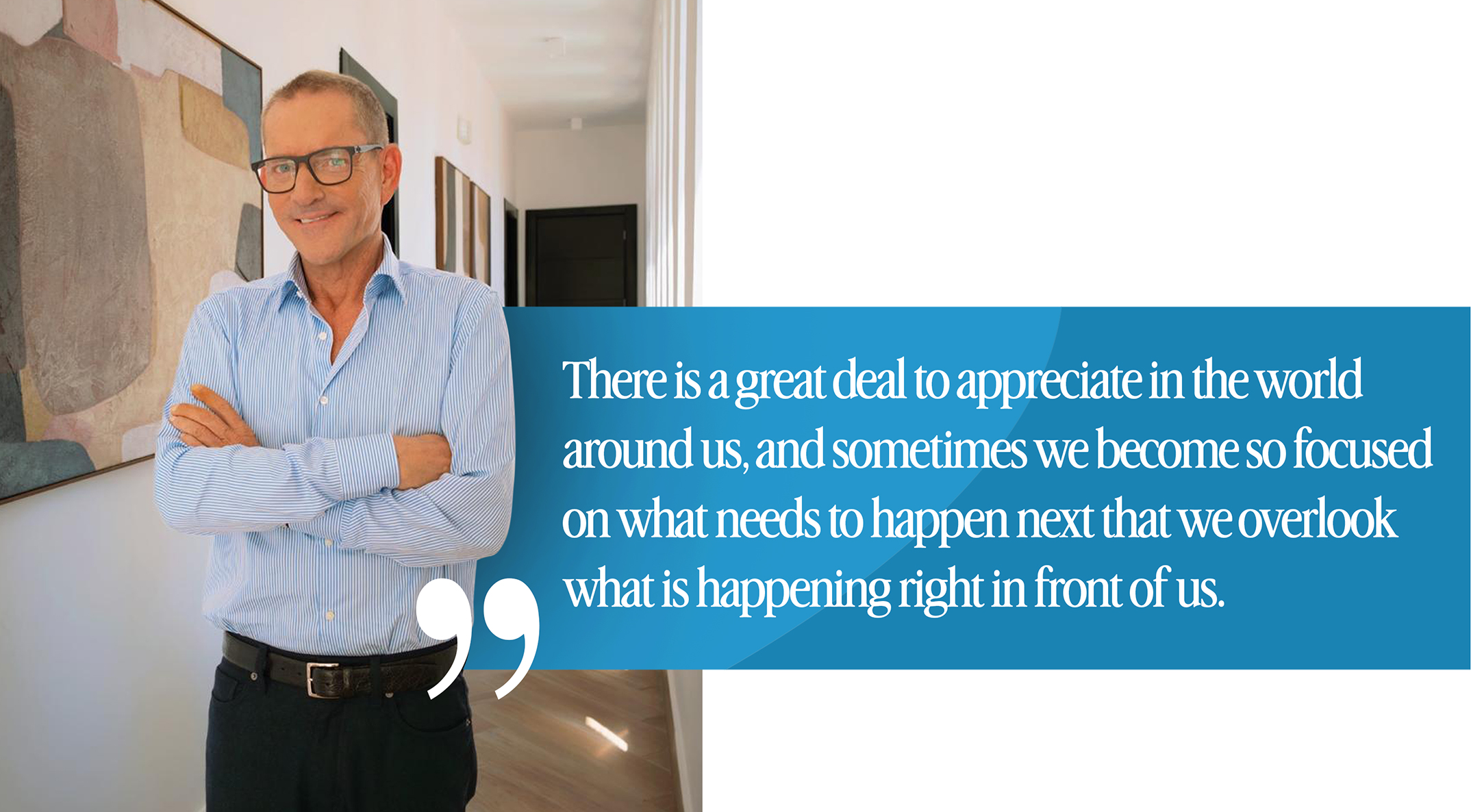
I remain passionate about the work I do and the opportunities that continue to make my professional journey rewarding, but I also recognize the importance of making room for experiences that have nothing to do with business. There is a great deal to appreciate in the world around us, and sometimes we become so focused on what needs to happen next that we overlook what is happening right in front of us.
Perhaps the real art of knowing when to switch off is understanding that stepping away from our responsibilities does not diminish our commitment to them. Instead, it allows us to appreciate the many other experiences, relationships and interests that make life meaningful, while reminding us that some of our most enjoyable moments are those in which we have nowhere else we need to be.
